Introduction
Potty training is an important milestone in your child’s life.
We know that each child grows at their own speed. But research shows it's best for your child's bowel and bladder health to stop using diapers, like reusable nappies, pull-ups, and training pants, between 18 and 30 months.
Did you know?
83%
of children were out of nappies by 18 months in the 1970s and 1980s
Today
1 in 4
children aren’t toilet trained when they start Reception.
It is really important that children are fully out of nappies well before they start Reception at school. The only exception is for children who have a diagnosed medical need, such as a bladder or bowel condition.
Being out of nappies helps children feel confident, healthy, and included as part of the group. It also allows teachers to spend more time teaching and supporting children’s learning and development in other important ways.
How do I know when to start?
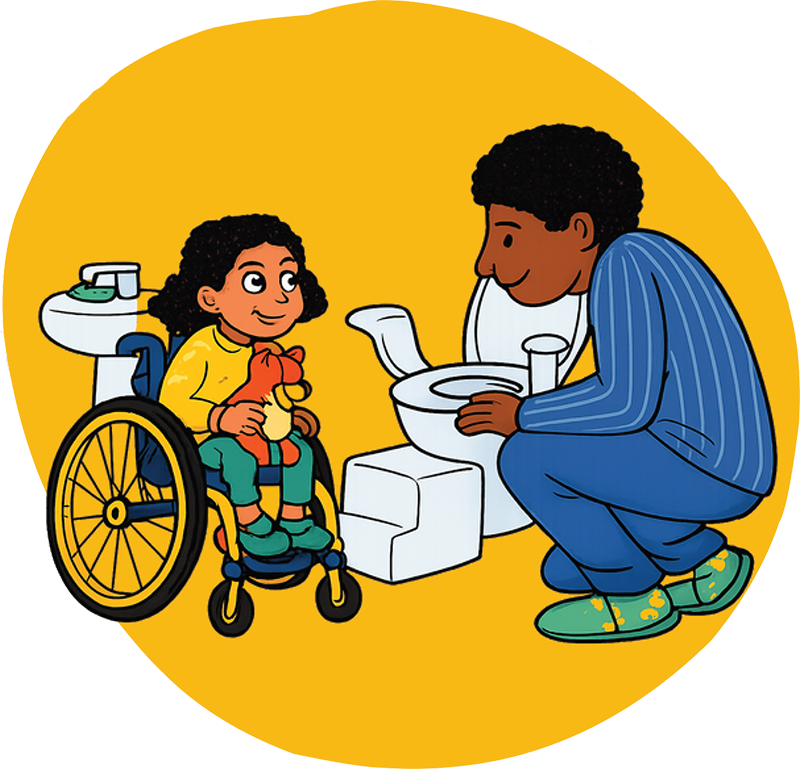
Almost all children can learn to be clean and dry with the right support, including children with special educational needs and disabilities. Some children, especially those with sensory needs, may just need a little more time.
Potty training is a gradual process, not a one off event. Children can start practising sitting on a potty or toilet once they can sit up independently. Research shows that stopping nappies between 18 and 30 months supports healthy bowel and bladder development, and children with additional needs do not need to wait to begin.
Toilet training is about learning new skills, which are best supported with clear routines and encouragement. Waiting too long can make the transition harder and affect a child’s confidence.
Some children will show signs that it is the right time to stop using nappies. For example, they may know and tell you when they are weeing and the gap between wees will be at least an hour. But many children will not show clear signs and most will never ask to stop wearing nappies, especially if they wear disposable nappies or pullups that are designed to keep them feeling dry.
Make sure your child is not constipated. They should be passing soft poo regularly, at least every other day. If you think your child may be constipated, it is important to get support for this before stopping nappies.
Did you know?
£400
per year
is spent by British families on nappies and wipes alone. Potty training earlier could help families save this money.
Around
3 billion
disposable nappies end up in UK landfill sites each year, and each one can take up to 500 years to decompose.
More than
£60m
is spent each year by UK local authorities on disposing of nappies. Potty training helps to reduce the environmental impact.
Getting ready
For many children, it can be helpful to skip the potty and use the toilet instead, with a suitable seat, step, and rails for support. This helps children become familiar with the bathroom and avoids the extra step of moving from a potty to the toilet later on.
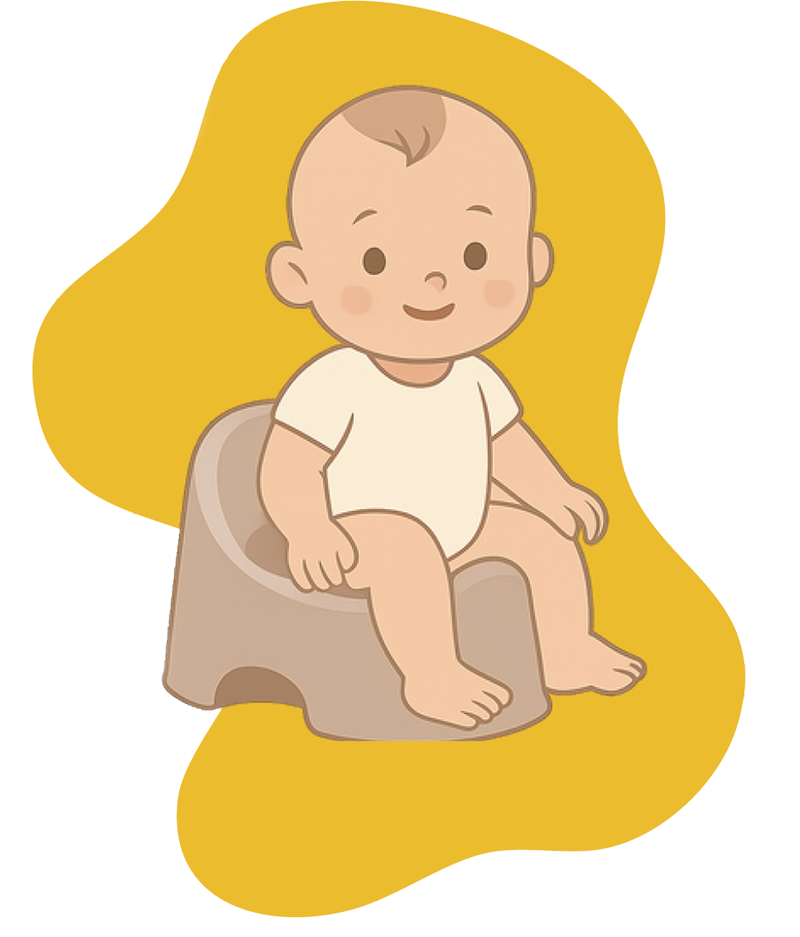
Whether you choose to start with a potty or go straight to the toilet, there are lots of simple ways to help your child get ready to stop wearing nappies. You can begin preparing as soon as your child can sit up independently.
- Change nappies as soon as they are wet or soiled. This teaches your baby that it is healthy to be clean and dry. If you can, change their nappy in the bathroom to help them link it with wees and poos/
- Introduce your child to a potty or toilet by reading some of the great potty books available with your child, helping their favourite doll or toy have a ‘turn’ on it and then encouraging them to sit on it themselves.
- Regular potty or toilet sitting practice can begin once they have been introduced to the potty or toilet, building up to several times a day.
- Encourage a healthy diet and fluid intake. Give your child a diet which includes fibre (e.g. fruit, vegetables and brown bread) to help avoid constipation, which can make potty training harder.
- Drink plenty of water, divided between 6-8 drinks spread evenly through the day. When introducing solids, offer water in a cup.
It’s a team effort!
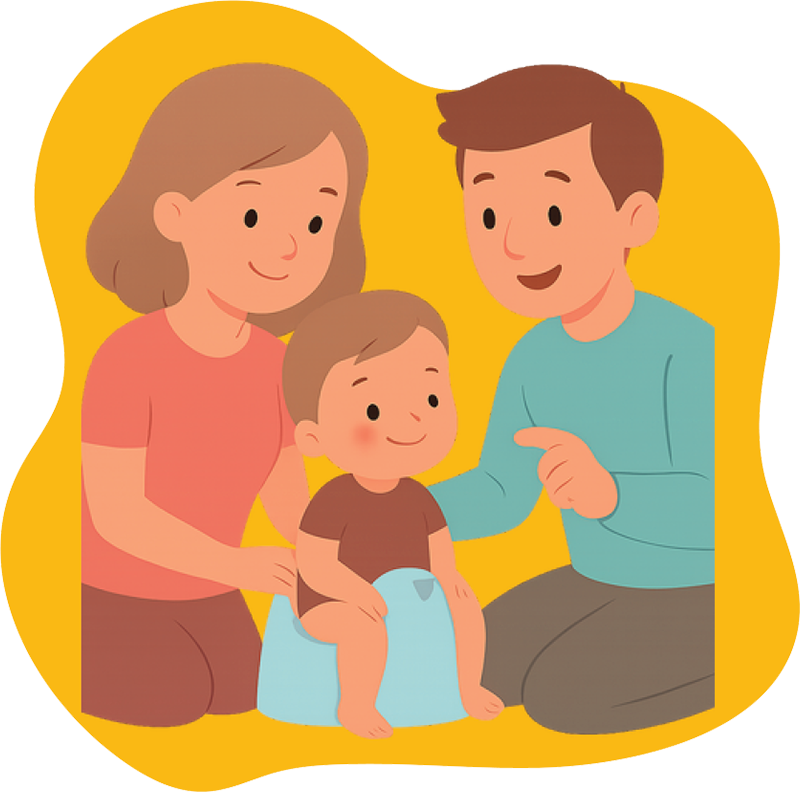
Potty training works best as a team effort. If your child attends nursery or pre school, has a childminder, or is regularly cared for by grandparents, friends, or other family members, talk with them about how you will work together to support your child.
Agree on a shared approach and ask them to follow the same steps. Provide plenty of spare clothes and keep them informed about any signs that show your child may need to use the potty or toilet. This consistency will help your child learn more quickly and feel confident.
Top tips
- Give your child regular nappy-free time. Try this after they have done a wee or a poo so they can notice what it feels like to be nappy-free without having an accident. After about half an hour, help them put their nappy back on to stay clean and comfortable.
- Talk about wee and poo in a simple, matter-of-fact way so they learn it’s normal.
- Help the bathroom feel calm and comfortable for your child. Some children can find the space overwhelming or too stimulating. If this happens, try using gentle scents like peppermint, lavender or lemon to create a more soothing atmosphere.
Children can also be sensitive to bathroom smells or the feel of the toilet flush. If your child struggles with this, you can use air fresheners or let them step out of the room while you flush. Choose clothes that are simple for your child to pull up and down on their own. Joggers and leggings are usually easier than jeans or outfits with buttons or tricky fastenings.
Bath time is a great opportunity to practise. Some children like to go without clothes from the waist down for the first few days after nappies stop. It gives them the chance to notice and respond to their body’s signals.
What will I need
- A potty, or more than one potty, placed in easy to reach areas in your home. You can also use a toilet training seat and a small step so your child feels supported. The step should lift their feet enough so that when they sit on the toilet their knees stay slightly higher than their hips.
- Training pants or reusable cotton pants are helpful during this stage. They let children feel wetness while still offering a bit of protection.
Stopping nappies
1. Tell your child what is happening
Once you feel prepared and confident, it may be time to stop using nappies during the day. Try to choose a moment that already feels calm for your family. Avoid times when big changes are happening or when life feels unsettled.
If your child currently has any bowel or bladder difficulties such as constipation or repeated infections, support them with these first. It is important that toileting feels comfortable before removing nappies.
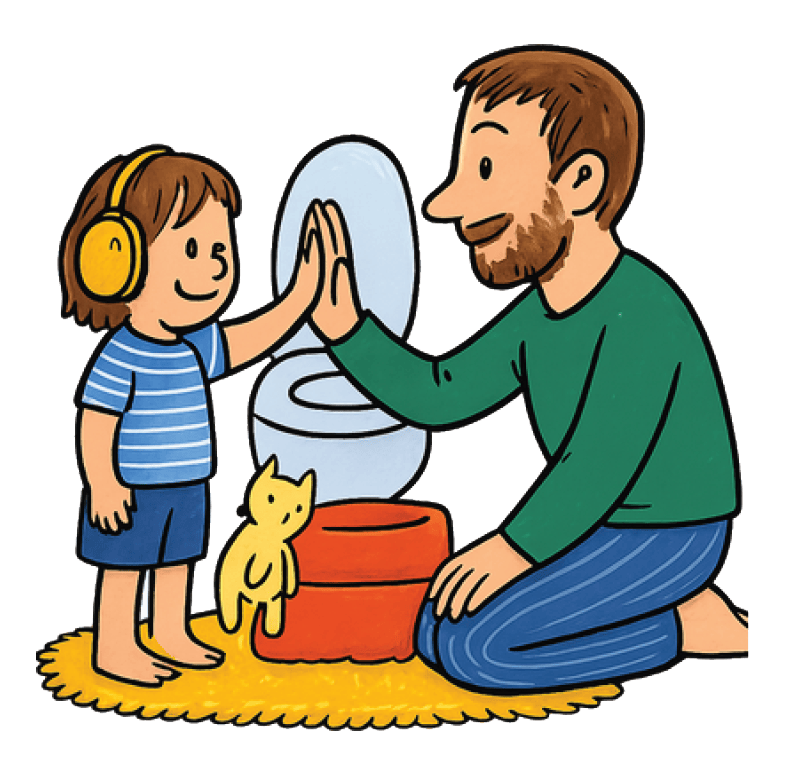
Once you feel prepared and confident, it may be time to stop using nappies during the day. Try to choose a moment that already feels calm for your family. Avoid times when big changes are happening or when life feels unsettled.
If your child currently has any bowel or bladder difficulties such as constipation or repeated infections, support them with these first. It is important that toileting feels comfortable before removing nappies.
1. Tell your child what is happening
Let your child know that they will soon be saying goodbye to nappies. Explain that they will start using the potty or toilet instead. Keep the message positive and simple so they understand what will happen next.
Top tips
- The move from nappies to pants can feel new and different for some children. Pants come in different shapes, styles and fabrics, and this change can feel unusual at first. If your child reacts to this, try to stay patient and supportive while they get used to the new feeling.
2. Now that your child is out of nappies, look out for signs that they need to use the potty or toilet.
- They may become very still, quiet or fidgety.
- They may also hold their tummy or pause what they are doing. These can all be clues that they need to go.
When you notice a sign, gently guide your child to the potty or toilet.
Encourage them to try. You can remind them in a warm, calm way or simply ask if they would like to sit on the potty.
Keep the potty close by during the day so it is easy for them to reach.
Some children find potty training easier when they feel relaxed. You can make this time more comfortable by letting them hold a favourite toy or by reading a short book together while they sit. If your child finds communication difficult, visual cues can help. Pictures of a potty or toilet can remind them when it is time to try.
Top tips
- If your child struggles to sit on the potty for long enough, try singing a song or reading a book together. You can stay on the potty or toilet until the song or story is finished.
3. Give lots of praise and encouragement!
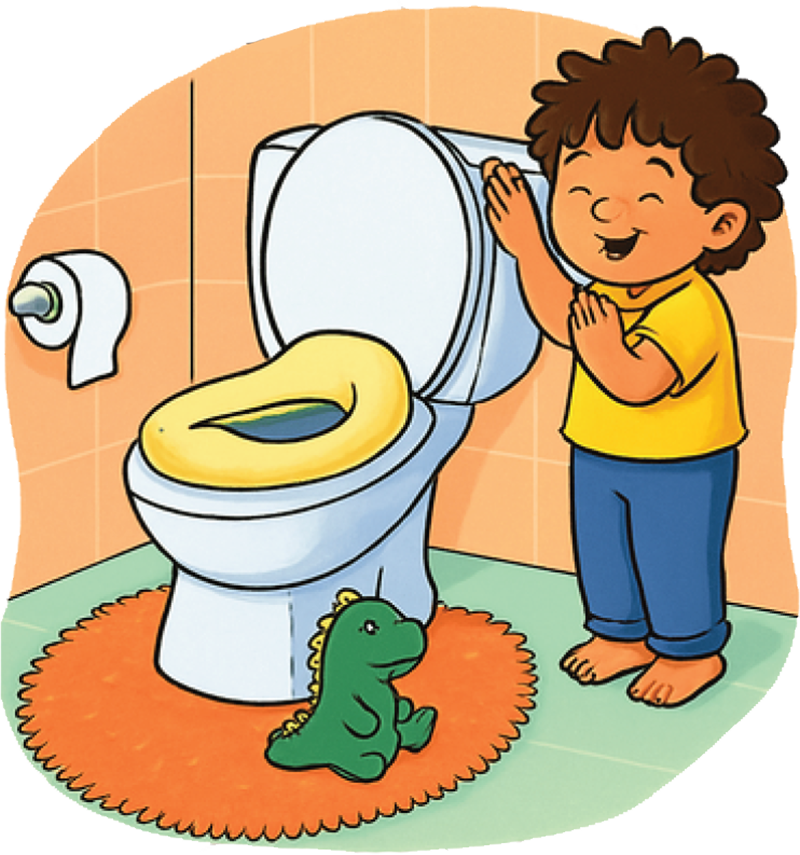
Celebrate every small success. Whether your child sits on the potty, tries to use it or manages to do a wee or a poo, give lots of warm praise. Children respond really well to encouragement, and it helps them feel proud of themselves.
4. Help your child learn new skills
Show your child how to wipe gently from front to back. You can teach them how to wash their hands afterwards and explain why this is important. Children often learn best when they can copy you or watch other trusted adults. Over time they will begin to do these steps on their own.
5. Be consistent
Try to keep the same routine each day. Remind your child to use the potty at regular times, especially after meals and snacks. If your child shows signs that they need to go, guide them straight away. Consistency helps them learn much more quickly.
Top tips
- Accidents are normal. Stay calm, clean up together and remind your child they can try again. Loose, comfortable clothes can also make potty training easier in the first few days.
- When you start going out, bring spare clothes, wipes and pants so you are prepared. A small travel potty or absorbent mat can be helpful when you are away from home.
Going nappy free at nap time and night time
Once your child has stopped using nappies in the day, you can begin to think about nap times and night time.
Being nappy free at night usually takes longer, so give your child plenty of time to learn.
Start by helping your child use the toilet or potty just before nap time and bedtime. Encourage them to try again when they wake up. When you notice their nappy is dry for longer periods, it may be a sign they are beginning to stay dry at night.
Most children stay dry at night by age five, but some take longer. This is completely normal. Night time dryness is not something your child can control while they are asleep.
Help your child become dry at night by:
- Make bedtime calm and predictable. Encourage your child to use the toilet before they get into bed so they feel comfortable.
- If your child wakes in the night, gently guide them to the toilet. You can leave a small night light on so they feel safe moving around the room.
- If your child wakes up wet, keep your response calm and supportive. A quick change and a warm reminder that they can try again next time will help them feel reassured.
- Speak to your health visitor, school nurse or early years professional if you ever feel unsure or want more support.
Where do I go for help?
You can always come to us at New Birth Day Nursery if you need support. Our team is here to help you understand the potty training process and guide you through each stage. You can also speak to your child’s key person, your health visitor or your local children’s centre or family hub. Potty training can be discussed at any time with your health visiting team, and your health visitor will also talk about it during your child’s routine 9 to 12 month health review.